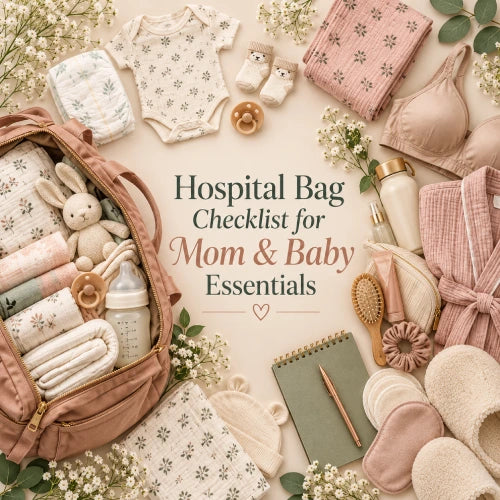
So, all mom-to-bes preparing for the arrival of your baby, the question keeping you up at night is probably a simple one: what actually goes in the bag?
There are three bags required for the hospital bag checklist, which are a labor bag, a postpartum bag, and a baby bag. The hospital bag checklist should be packed at week 36 of pregnancy, while the rear-facing car seat should be installed before the estimated due date.
The long version is all about being prepared, since third-trimester nerves are hardly caused by anything major. They come from tiny what-ifs, like your water breaking on the living room rug, not knowing where the insurance card went, or whether your maternity loungewear is packed and ready.
You can't plan the first contraction. You can plan the bag. And calm is more important than most people think because hormones released by the body during stress, such as adrenaline, can actually inhibit early labor.
Quick Summary
-
Have your bags packed between weeks 32 and 36.
-
Pack three zones: labor, postpartum recovery, and baby.
-
Most hospitals supply diapers, wipes, pads, and mesh underwear.
-
A rear-facing car seat is required before discharge.
-
Choose soft, breathable fabrics that won't rub a healing incision.
Hospital Bag Checklist: Everything Mom Needs Before Delivery
The hospital bag checklist for a mother includes three sections: documents and personal items during labor, comfortable clothing, and hygiene products. Organizing the hospital bag essentials into three sections ensures that everything is easily accessible without having to search through the bag, especially if contractions are painful.
Most hospital stays in America after vaginal delivery range from one to two days, while a cesarean delivery ranges from two to four days. Pack for the longer one. Worst case, you carry home one clean outfit.
Labor & Delivery Essentials
This pouch goes on top, because you'll need it at the triage desk before anything else.
-
Photo ID, insurance card, and pre-registration forms
-
Two or three printed copies of your birth plan
-
Phone plus a 10-foot charging cord (outlets always hide behind the bed)
-
Hair ties, a claw clip, a headband
-
Lip balm, since dry hospital air and heavy breathing crack lips fast
-
A loose labor gown or big sleep shirt, if the hospital gown isn't your thing
Clothing & Comfort Items
The body you'll have the day after birth is still round, still sore, and bleeding more than you'd expect. Pack for that body. Not the one from before.
-
Two sets of nursing-friendly pajamas with front buttons or wrap tops
-
A light robe for hallway walks and visitors
-
Non-slip slippers or slides
-
Warm socks, because plenty of women get shivery during labor
-
Pack comfortable nursing pajamas along with a soft going-home outfit in your six-month maternity size.
Personal Care Essentials
That first shower after delivery? Honestly, it can feel like heaven. Your own products make it better.
-
Travel-size shampoo, conditioner, body wash, and a toothbrush
-
Gentle, low-fragrance skincare, since hormone swings can make skin touchy
-
A hairbrush and dry shampoo
-
Glasses and spare contact lenses, since you may be asked to take lenses out before a cesarean
That's genuinely all the hospital bag essentials most moms end up using. The rest is nice-to-have.
Hospital Bag Checklist for Baby's First Days
The list for the baby section of the hospital bag checklist includes two sets of going-home clothing, receiving blankets, socks, scratch mittens, a hat, outerwear based on weather conditions, and a rear-facing car seat installed. The rest of the newborn hospital essentials for the stay are usually provided by the hospital and include diapers and wipes.
A newborn doesn’t regulate body temperature as effectively as an adult, and the AAP recommends dressing your baby in one more layer than you would comfortably wear.
What to pack for your baby
-
Two going-home outfits, one newborn size and one 0–3 months (nobody knows the birth weight yet)
-
One soft receiving blanket for the ride home
-
Two pairs of tiny socks, or footed sleepers
-
Scratch mittens, because those little nails are sharp
-
A hat, plus a warm outer layer or bunting in cold weather
-
A rear-facing infant car seat, installed and checked before week 36
The car seat is the one item you can't skip. Most hospitals won't let a baby leave by car without one. Many fire stations and hospitals run free car seat checks, so book one early.
What the hospital usually gives you
Before you stuff your maternity hospital bag with baby supplies, call the labor unit and ask what they provide. Most U.S. hospitals stock:
-
Newborn diapers and wipes
-
Swaddle blankets and a little hospital hat
-
A bulb syringe for tiny noses
-
Basic shirts or onesies for use on the ward
That one phone call can shrink your maternity hospital bag by a third. Leave the diaper packs at home, where the nursery actually needs them.
A quick word on newborn hospital essentials: baby skin has a thinner, less mature barrier than adult skin, so gentle, fragrance-free products and soft clothing are sensible choices.
Maternity Hospital Bag Essentials for Labor and Delivery
A separate labor bag checklist keeps the birthing room uncluttered by holding only labor comfort tools, snacks, hydration, and the support person's supplies. The larger postpartum suitcase stays in the car until the new family moves to the recovery room.
Why two bags? Labor rooms are small, crowded, and full of machines. Nobody wants to dig under nursing bras looking for a charger mid-contraction, so one small birth hospital bag comes in with you and the big suitcase follows later.
Your labor comfort kit
The room you labor in really does affect how you feel. Oxytocin, the hormone driving contractions, flows best when you feel safe, warm, and unwatched, while bright lights and bustle push adrenaline up. Dim is better.
-
A battery-powered LED candle or warm-toned lamp to soften the overhead lights
-
A massage roller or tennis ball for back counter-pressure
-
Your own pillow in a bright pillowcase so it doesn't vanish into hospital laundry
-
Headphones and a downloaded playlist
-
An essential oil roller, if your hospital allows scents
Support person essentials
Because your partner can play an important practical and emotional support role throughout labor, their basic comfort supplies belong in the delivery bag essentials too.
-
A change of clothes, a toothbrush, and a light sweater
-
Real snacks: nuts, granola bars, dried fruit, crackers
-
Electrolyte drinks or powder packets, plus a big water bottle with a bendy straw for you
-
A tablet or book for the slow early hours
-
A card or cash for vending machines and parking
Hospital rules on eating during labor vary, so ask your provider ahead of time. Many now allow clear fluids and light snacks for low-risk births.
Keep the birth hospital bag light enough for one hand. Your delivery bag essentials should fit on a single chair.
Postpartum Hospital Essentials Every New Mom Should Pack
The essentials for postpartum stay in the hospital are mostly concerned with physical recovery. They include high-waisted soft undergarments worn above a cesarean scar, wireless nursing bras, garments with front openings, and supplies for feeding. Some of the essential items are those that add a little bit of comfort in the hospital room.
Following birth, your uterus continues contracting toward its pre-pregnancy size, while postpartum bleeding known as lochia can continue for up to six weeks. The first days are the heaviest. No one really warns you how often you'll be changing pads at 3 a.m.
Underwear, bras, and nursing gear
-
Pack four to six pairs of soft maternity underwear, choosing a comfortable fit that works well during postpartum recovery.
-
Two wire-free nursing or sleep bras
-
Nipple cream and a few nursing pads
-
A nursing pillow, if you already have one you love
-
Front-button or wrap tops for skin-to-skin and feeding
The hospital's mesh underwear is fine for day one. After that, lots of moms find it scratchy against sore skin, especially with a thick pad inside.
Why fabric matters more than most lists admit
In the United States, nearly one-third of births are done through C-section, reports the CDC. If you're among them, that cut would be down low, right at your waistband where the band constantly rubs and irritates you.
Sweat gets trapped and irritates healing skin, and synthetics trap the heat and moisture against your body. Natural fibers, such as long-staple organic cotton, allow skin to breathe, while a comfortable wireless nursing bra can provide gentle support without unnecessary pressure.
That's where a thoughtful pregnancy hospital bag earns its place. Bump & Blossom creates thoughtfully designed maternity clothing and nursing essentials that help mothers feel comfortable and confident from pregnancy through postpartum recovery. Instead of entering the labor wing with scratchy, uncoordinated commercial fabrics, wrapping your changing body in premium, long-staple organic fibers honors your maternal transition smoothly. Discover our custom-tailored postpartum collections and luxury nursing loungewear lines today at Bump & Blossom.
Small emotional comforts
-
A printed photo of someone you love, or of the nursery waiting at home
-
A familiar, gentle pillow spray, if allowed
-
Your own soft blanket
-
A small journal for first feeds and your own thoughts
When Should You Pack Your Pregnancy Hospital Bag?
The maternity hospital bag should be fully packed between weeks 32 and 36 of pregnancy, with daily-use items such as a toothbrush, phone charger, and glasses added at the last minute. The NHS recommends having your pregnancy hospital bag packed at least three weeks before your due date so you're prepared if your baby arrives early.
Why so early? Roughly one in ten U.S. babies comes before 37 weeks, and labor doesn't ask permission. Packing early is cheap peace of mind.
A simple packing timeline
|
Week
|
What to do
|
|
28–30
|
Tour the labor ward, ask what the hospital provides, buy the car seat
|
|
32
|
Wash baby clothes in fragrance-free detergent; pack the baby pouch
|
|
34
|
Pack postpartum clothing, underwear, and nursing gear
|
|
35
|
Pack the labor bag; install the car seat and get it checked
|
|
36
|
Final check; bags by the door or in the car trunk
|
|
Labor day
|
Add toothbrush, phone, charger, glasses, and any medications
|
Color-code for calm
Under sudden labor stress, even the most organized partner forgets where things went. Colored packing cubes fix that.
-
Blue pouch: documents, birth plan, ID, insurance card
-
Green pouch: labor comforts and snacks
-
Pink pouch: postpartum underwear, pads, nursing gear
-
Yellow pouch: everything for baby
Print your final labor bag checklist on one page and tape it inside the suitcase lid. Text your partner a photo too. At 3 a.m., nobody should be guessing.
Hospital Bag Packing Tips: What to Bring and What to Leave Behind
A smart hospital bag checklist separates high-use comfort items from low-value clutter. Mothers who pack long charging cords, familiar pillows, and soft recovery clothing tend to feel better supported than mothers carrying extra outfits, expensive jewelry, or bulky electronics the hospital may not allow.
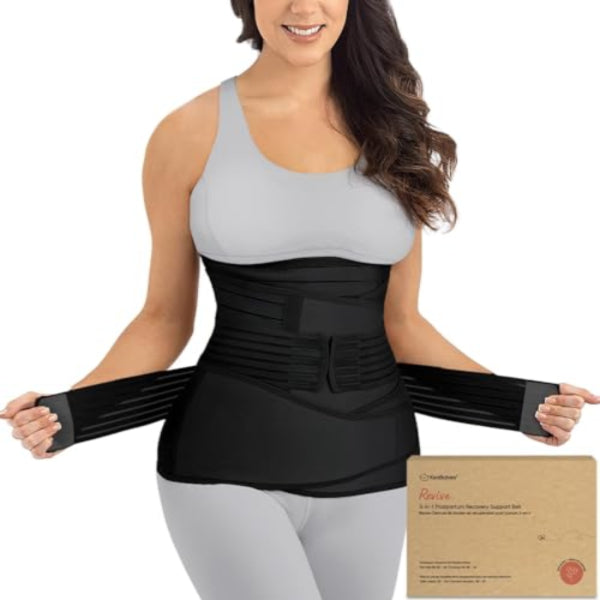
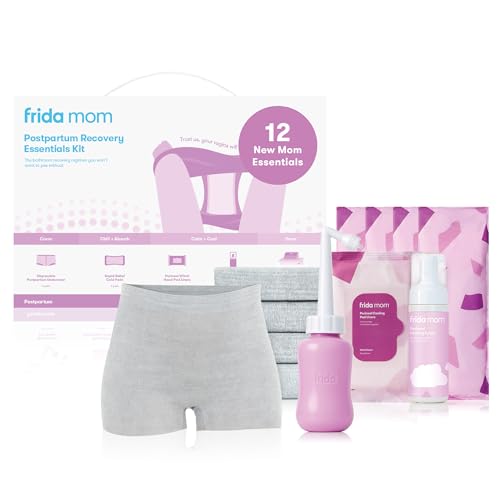
Overpacking is the number one mistake, so organizing necessities into a compact postpartum recovery kit can keep important recovery supplies together without adding unnecessary clutter.
|
Worth Packing
|
Skip These Items
|
|
10-foot phone charging cord
|
A new outfit for every day
|
|
Your own pillow and soft blanket
|
Expensive jewelry and rings (hands often swell)
|
|
A dark-colored bath towel
|
Full-size bottles of every beauty product
|
|
Flip-flops for the shower
|
Bulky speakers or unapproved plug-in devices
|
|
Snacks and electrolyte drinks
|
Big packs of diapers and wipes
|
|
Soft, breathable recovery clothing
|
Tight jeans or shapewear for going home
|
|
Nipple cream and nursing bras
|
Laptops or work files
|
About that towel: hospital towels are thin and tiny. A dark one of your own feels so much nicer after that first shower, and it won't show stains.
Hospital rules for personal plug-in devices can vary for safety reasons, so check with your maternity unit before packing electrical appliances and use permitted battery-powered alternatives when appropriate.
Final Thoughts
A good hospital bag checklist isn't supposed to include everything available. It’s all about using soft materials with the body that requires healing, having a small bag for delivery and a larger one for recovering, and packing the items early enough to avoid any rush.
You'll forget something. Everyone does, and the nurses have seen it all, so let that one go.
What matters is walking into the delivery wing feeling safe, prepared, and looked after, with comfortable clothing and a thoughtfully chosen postpartum set ready to support your recovery. Your baby's coming either way. How comfortable you feel is the part you get to choose.
FAQs
When should I pack my hospital bag?
Pack your hospital bag during weeks 32 to 36 of your pregnancy. Make sure you pack everything by week 36 except things that you will use on a daily basis, such as a toothbrush, cell phone charger, and spectacles. If you are expecting twins, make sure to pack your bag sooner than that.
What should I pack in my hospital bag for labor?
To prepare for labor, you should bring your ID, your insurance card, copies of your birth plan, a long phone charger, lip balm, hair ties, socks, and a loose gown or sleepshirt. Include some comfort items like a massage ball, headphones, and a battery-operated candle, as well as food for your doula.
What does a baby need in a hospital bag?
The baby only needs two outfits in various sizes, a receiving blanket, socks, scratch mitts, a hat, and suitable clothes according to the weather. The back-facing car seat must be installed prior to discharge. Hospitals provide you with diapers, wipes, and swaddles while staying at the hospital.
How many bags should I bring to the hospital for birth?
Most families carry two or three bags: the labor bag, which is smaller and used during childbirth; the postpartum suitcase, which is larger and kept in the car; and occasionally a baby bag. Pouches of different colors help identify the contents easily.
What should I pack in my postpartum hospital bag?
It is important to ensure that your postpartum bag contains soft high-waist underwear, nursing bras, nipple cream, sleepwear, bathrobes, slippers, toiletries, and loose-fitting clothing. Natural materials are gentler on the skin and on a surgical cut from a cesarean delivery compared to tight synthetics.