Welcoming a new baby into the world is an unforgettable experience, but it also marks the beginning of a major recovery journey for mothers. While much attention is placed on pregnancy and childbirth, the weeks after delivery are equally important. Having the right Postpartum Recovery Essentials can make a significant difference in comfort, healing, and overall wellbeing during this transition.
Every mother's recovery experience is unique. Some recover quickly, while others need more time and support. Physical healing, emotional adjustments, sleep changes, and newborn care all happen at once. Being prepared with practical supplies and realistic expectations helps reduce unnecessary stress and allows mothers to focus on bonding with their babies.
This guide covers everything from recovery basics and healing timelines to building a personalized recovery kit. Whether you are preparing for your first child or adding to your growing family, understanding postpartum needs can help create a smoother and more supported recovery experience.
Key Takeaways:
-
Postpartum recovery begins immediately after childbirth and can last several weeks.
-
Recovery needs vary depending on delivery type and individual health factors.
-
Planning ahead reduces stress during the first weeks after birth.
-
Physical healing requires comfort items, hygiene products, and adequate rest.
-
Emotional wellbeing is an important part of postpartum healing.
-
Support systems can significantly improve recovery outcomes.
-
A personalized recovery kit helps meet individual needs.
-
Proper nutrition and hydration support healing and energy levels.
-
Rest and gradual movement both play important roles in recovery.
-
Understanding recovery timelines helps set realistic expectations.
What Are Postpartum Recovery Essentials and Why They Matter
The period after childbirth is often called the fourth trimester because it involves significant physical and emotional changes. During this time, a mother's body begins healing from pregnancy and delivery while adapting to the demands of caring for a newborn. Postpartum Recovery Essentials are the supplies, tools, and support systems that help make this transition smoother and more comfortable.
Physical recovery can involve soreness, bleeding, fatigue, swelling, and hormonal fluctuations. Whether a mother experiences a vaginal delivery or a cesarean section, healing requires time and proper care. Essential recovery products help manage discomfort and support daily routines during this healing period.
Preparation plays a major role in reducing stress after birth. Many new mothers find themselves overwhelmed when recovery supplies are missing or difficult to obtain during the first days home. Having everything prepared in advance allows more focus on rest and bonding with the baby.
Recovery is not only physical. Emotional wellbeing, mental health, and confidence as a new parent are equally important. Understanding the recovery timeline and preparing accordingly helps mothers feel more supported and capable throughout the postpartum journey.
Feature Article: The Ultimate Guide to Luxury Maternity Clothes: Stay Stylish and Comfortable During Your Pregnancy
Postpartum Recovery Kit Essentials: What Every Mom Actually Needs
A well-planned recovery kit can make daily life significantly easier during the weeks after childbirth. The goal is to gather items that address both comfort and healing needs. Strong preparation ensures mothers spend less time worrying about supplies and more time focusing on recovery and newborn care.
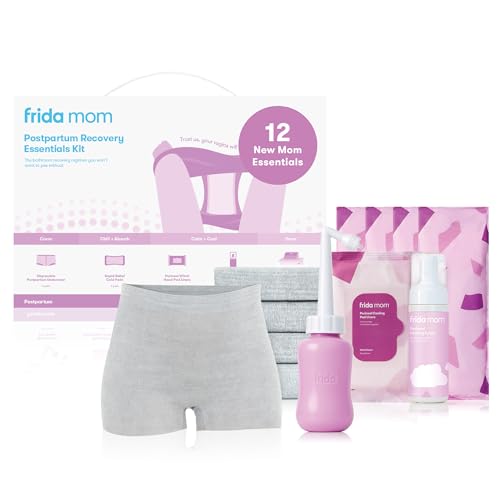
One of the most important postpartum recovery kit essentials includes heavy-absorbency maternity pads. Postpartum bleeding can last several weeks, making high-quality pads essential for comfort and hygiene. Comfortable underwear designed for postpartum use can also improve daily comfort.
A peri bottle is another must-have item. It provides gentle cleansing after bathroom visits and helps reduce discomfort during healing. Stool softeners, pain relief products recommended by healthcare providers, and cold therapy packs can also support recovery.
Nursing mothers may benefit from nursing pads, nipple creams, and supportive pillows. Emotional comfort items such as water bottles, snacks, cozy blankets, journals, and relaxation tools can also make recovery more manageable. Effective postpartum recovery kit essentials address both physical and emotional needs.
Feature Article: The Ultimate Guide to Stylish and Comfortable Pregnancy Outfit Ideas
After Birth Recovery Essentials Based on Delivery Type
Recovery experiences vary depending on how a baby is delivered. Understanding these differences helps mothers prepare appropriately and choose the right after birth recovery essentials for their situation.
Vaginal Birth Recovery Supplies
Mothers recovering from vaginal delivery often experience soreness, swelling, and perineal discomfort. Cooling pads, peri bottles, comfortable underwear, and maternity pads are among the most valuable recovery tools. Sitz baths can provide additional relief and promote healing. Rest and hydration are also essential during the early recovery period. Proper support allows mothers to manage discomfort while adjusting to newborn care responsibilities and establishing feeding routines. These supplies help reduce irritation and improve daily comfort during the healing process.
C-Section Recovery Essentials
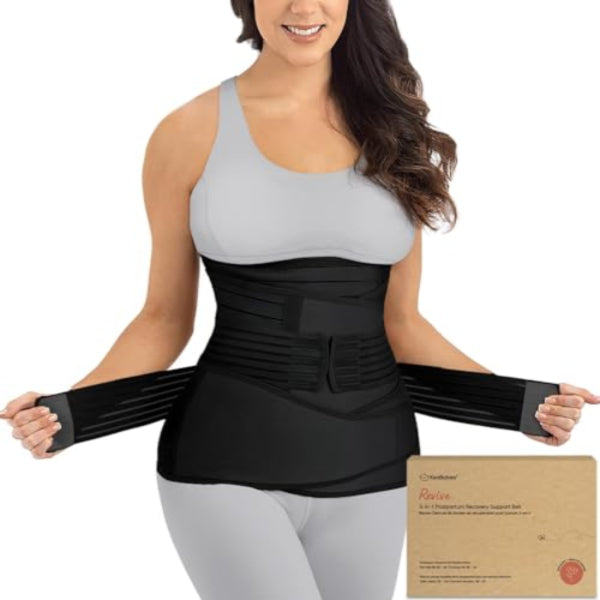
Cesarean recovery requires special attention because it involves surgical healing. High-waisted underwear helps avoid pressure on the incision site. Abdominal support garments may improve comfort during movement. Pain management strategies recommended by healthcare providers are often important. Easy-to-reach supplies and organized living spaces can reduce unnecessary strain. Recovery after surgery generally takes longer, making preparation especially valuable. These after birth recovery essentials help mothers manage healing while gradually regaining strength and mobility.
Managing Pain and Discomfort
Pain levels vary from person to person. Some mothers experience mild soreness while others face more significant discomfort. Cold therapy, prescribed medications, supportive cushions, and gentle movement can help reduce pain. Listening to the body and avoiding overexertion are important during recovery. Creating a comfortable environment also supports healing and reduces daily stress. Effective pain management allows mothers to focus more fully on their recovery and newborn care responsibilities.
Supporting Mobility Safely
Movement is important for recovery, but it should be approached carefully. Gentle walking can improve circulation and support healing. Mothers recovering from surgery may need additional time before resuming certain activities. Supportive footwear, accessible household arrangements, and assistance from family members can make mobility easier. Gradual activity helps rebuild strength while reducing the risk of complications during recovery.
Preparing for Different Recovery Timelines
Every recovery journey is different. Some mothers feel stronger within weeks, while others need additional time. Comparing recovery progress to others can create unnecessary pressure. Instead, focusing on personal healing goals and following medical guidance supports a healthier recovery experience. Patience and realistic expectations are important parts of the postpartum process.
Feature Article: Expecting Mothers Gift Ideas That Feel Personal, Meaningful & Truly Memorable
Postpartum Healing Essentials for Physical & Emotional Recovery
Recovery extends beyond physical healing. Emotional wellbeing is equally important, making postpartum healing essentials a key part of the postpartum journey.
Understanding Hormonal Changes
Hormonal shifts occur rapidly after childbirth and can affect mood, energy levels, and emotions. Many mothers experience mood swings, tears, or increased sensitivity during the first weeks. Understanding that these changes are common can reduce anxiety. Rest, support, and open communication help mothers navigate these emotional adjustments while focusing on healing and bonding with their babies.
Managing Sleep Deprivation
Sleep deprivation affects nearly every new parent. Interrupted sleep can impact mood, concentration, and physical recovery. Taking opportunities to rest whenever possible is important. Accepting help from trusted family members or friends can provide valuable recovery time. Small periods of rest throughout the day contribute significantly to overall wellbeing and healing.
Emotional Wellness Tools
Journaling, mindfulness practices, and simple relaxation techniques can support emotional health. New mothers often benefit from taking a few moments each day to process their experiences. Emotional wellness tools do not need to be complicated. Consistent self-care habits can help reduce stress and improve resilience during challenging moments.
Building a Strong Support System
Support from partners, family members, healthcare providers, and friends can make a tremendous difference during recovery. Practical assistance with meals, household tasks, and baby care allows mothers to focus on healing. Strong support networks often improve both physical and emotional recovery outcomes.
Recognizing When to Seek Help
While emotional changes are normal, persistent feelings of sadness, anxiety, or hopelessness may require professional support. Seeking help is a sign of strength, not weakness. Early intervention can improve wellbeing and ensure mothers receive the care they need during recovery.
Feature Article: Best Mother’s Day Presents for Expecting Mothers: Thoughtful Gifts to Celebrate
Postpartum Recovery Must Haves vs Nice-to-Haves (Comparison Table)
Preparing for recovery often raises questions about which products are truly necessary. While many items are marketed to new mothers, some provide more value than others. Understanding the difference helps prioritize spending and preparation.
Seamless Maternity Bras
The bras feature a complete smooth design that creates no visible contouring. The product creates comfortable daily use which adapts to all body transformations. The seamless design delivers both comfort and an attractive appearance which stays hidden when worn underneath garments.
The most important postpartum recovery must focus on hygiene, comfort, and healing. These products address immediate physical needs and are often recommended by healthcare professionals. Investing in these essentials first ensures that recovery needs are properly covered.
Nice-to-have items can certainly improve comfort, but they are not always necessary. Some mothers find these products helpful, while others recover successfully without them. Personal preferences often determine their value.
Ultimately, priorities should focus on safety, comfort, and practical recovery support. Mothers can always add optional items later based on their experiences and preferences.
|
Must-Have Essentials
|
Nice-to-Have Items
|
|
Peri bottle
|
Belly binder
|
|
Nursing pads
|
Luxury skincare products
|
|
Stool softener
|
Postpartum planner
|
|
Comfortable underwear
|
Decorative recovery kits
|
|
Maternity pads
|
Specialty relaxation products
|
Feature Article: Pregnant Women Maternity Clothes Sizing Guide
How to Build Your Personalized Postpartum Recovery Kit
Building a customized recovery kit allows mothers to prepare for their unique recovery needs and preferences.
Start With Hospital Bag Preparation
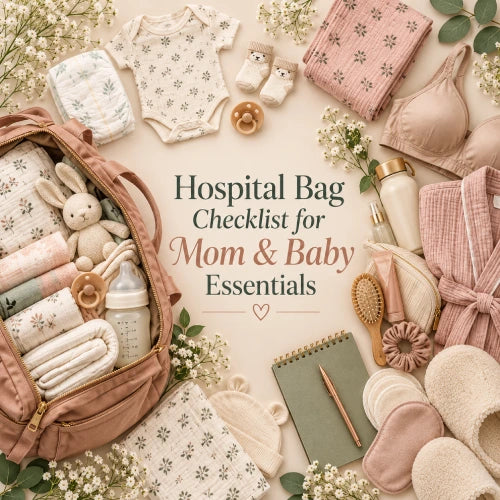
Preparing a hospital bag early reduces last-minute stress. Include comfortable clothing, toiletries, nursing supplies, and basic recovery products. Having these essentials ready ensures a smoother transition during labor and delivery. Organized preparation helps mothers feel more confident and prepared for the birth experience ahead.
Focus on the First Two Weeks
The first two weeks often require the greatest recovery support. Prioritize hygiene products, pain relief items, hydration tools, snacks, and comfortable clothing. These supplies help address immediate recovery needs while reducing daily challenges during the adjustment period.
Create a Comfortable Home Setup
A comfortable recovery area can make a significant difference. Keep essentials within easy reach, including water, medications, feeding supplies, and recovery products. Organized spaces reduce physical strain and make daily routines easier to manage.
Build a Partner Support Checklist
Partners can play a valuable role during recovery. Creating a checklist for meals, household tasks, baby care, and emotional support helps ensure responsibilities are shared. Clear communication strengthens teamwork and reduces stress.
Include Thoughtful Supportive Extras
At Bump And Blossom, we believe postpartum care should feel just as special as the celebration of motherhood itself. That's why our curated maternity and baby-shower accessories help moms feel prepared, supported, and celebrated before and after birth. Thoughtful additions to recovery kits can help mothers feel cared for during this important transition.
Feature Article: What to Wear to a Baby Shower: Style Guide for Guests
Postpartum Recovery Essentials Timeline (Week 1 to Week 6 Guide)
Recovery happens gradually, and understanding the timeline helps mothers set realistic expectations.
Week 1: Rest and Initial Healing
The first week focuses primarily on rest, hydration, and basic healing. Bleeding, soreness, and fatigue are common. Mothers should prioritize recovery and accept help whenever possible. Gentle movement may be encouraged, but rest remains the primary goal.
Week 2: Establishing New Routines
During the second week, many mothers begin adjusting to feeding schedules and newborn care routines. Healing continues, although energy levels may remain low. Consistent rest and support are still essential.
Week 3: Increasing Mobility
Mobility often improves during the third week. Light activities may become easier, although strenuous tasks should still be avoided. Confidence in daily routines may gradually increase as recovery progresses.
Week 4–5: Regaining Energy
Many mothers notice improvements in strength and stamina during weeks four and five. Sleep challenges may continue, but physical healing often becomes more noticeable. Gradual increases in activity can support recovery.
Week 6: Recovery Assessment
By week six, many mothers attend a postpartum checkup. Recovery progress is evaluated, and healthcare providers may discuss returning to normal activities. Healing continues beyond six weeks for some mothers, making ongoing self-care important.
Feature Article: Best Nursing Bras: Top Picks for Comfort, Support, and Style
Final Thoughts: Postpartum Recovery Essentials Matter More Than You Think
The journey into motherhood is both beautiful and demanding. Having the right Postpartum Recovery Essentials can ease physical discomfort, support emotional wellbeing, and help mothers feel more confident during the weeks after childbirth. From practical hygiene products to strong support systems, preparation creates a smoother recovery experience.
Every mother's journey is unique, and there is no perfect recovery timeline. Building a personalized recovery kit, understanding healing phases, and prioritizing self-care can make a meaningful difference. By focusing on both physical and emotional needs, mothers can navigate postpartum recovery with greater comfort, support, and confidence.
FAQs
What are the essential items for postpartum recovery?
Essential items include maternity pads, peri bottles, comfortable underwear, nursing pads, stool softener, pain relief products, hydration supplies, and supportive recovery tools that promote comfort, healing, and hygiene.
What do you need for postpartum recovery at home?
You need comfortable clothing, recovery supplies, nutritious snacks, water, hygiene products, nursing essentials, emotional support, and a comfortable resting area that promotes healing and reduces daily stress.
How long does postpartum recovery take?
Postpartum recovery varies, but many mothers experience significant healing within six weeks. Complete recovery may take several months depending on delivery type, health factors, and individual circumstances.
What helps speed up postpartum healing?
Adequate rest, proper hydration, nutritious meals, gentle movement, medical guidance, emotional support, and consistent self-care habits can all support a healthier and more efficient recovery process.
What should be included in a postpartum recovery kit?
A recovery kit should include maternity pads, peri bottle, nursing supplies, pain relief items, comfortable underwear, hydration tools, snacks, and personal comfort products tailored to individual needs.