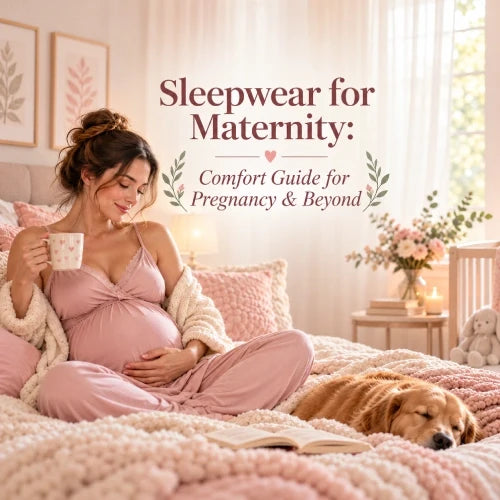
Somewhere around month five, a lot of moms realise their old pajamas have quietly turned against them. The waistband is tight, the blouse will not cover the bump, and you are sweating in bed at 3 am, for no apparent reason. This is normally when women begin to consider maternity loungewear, and this is sensible, since sleep is already elusive at this stage.
Quick Summary
-
You will be warmer during pregnancy, which is why the most important thing is having breathable materials.
-
Stretch panels work better than simply opting for the larger size.
-
Bamboo, modal, and cotton fabrics have better absorption properties than polyester.
-
In reality, most clothing brands use measurements from previous years.
-
OEKO-TEX Standard 100 certification is proof that the fabric is tested.
What Is Sleepwear For Maternity and Why Does It Matter?
Maternity sleepwear differs from ordinary maternity clothes because it is specifically designed for sleeping comfortably as the bump grows. Pregnancy sleepwear is extra loose in places like the front of the garment and sides, thanks to special panels and ruching, and the material is stretchy but will snap back into its original shape.
Many women start out wearing an old boyfriend T-shirt for a while. Not to worry. But eventually, the neck of the shirt is falling off one side and the bottom half is riding up your stomach.
Good sleepwear for maternity places the extra fabric right where it is neededUp front. The shoulders, the sleeves, the leg length all stay your normal size, which is why it doesn't feel like wearing a tent.
There's a bonus, too. A maternity nightgown with nursing openings can keep earning its keep after the baby arrives. One purchase, two stages of life. Not bad.
What Features Should You Look for in Maternity Sleepwear?
The four requirements for good pregnancy nightwear include four way stretch, expandable or folding waist, and open weave for body heat escape.
Product descriptions don't always tell you much, so here's what we'd actually look at when you're comparing maternity pajamas.
-
Stretch. You want a bit of elastane in there, usually around 5%, blended with cotton or modal. Without it, the jersey tends to bag out at the knees and belly after a few washes.
-
The waistband. Wide fold-over bands win, hands down. Wear them over the bump late in pregnancy or roll them under it early on. Thin, tight elastic is the thing to skip.
-
Breathability. Your blood volume typically increases by approximately 40% to 45% during pregnancy, making breathable and comfortable sleepwear especially appealing. More blood moving around means more heat, and a fabric that traps it will have you flinging the duvet off by midnight.
-
Nursing access. Planning to breastfeed? Along with comfortable nursing bras, try opening the top with one hand in the fitting room or bedroom. That's exactly how you'll be doing it later, baby in the other arm.
-
Washing and seams. Machine washable, please, because spit-up is coming. And check for flat seams and no scratchy tags, since you'll be lying on your side most of the night and every bump in the fabric will make itself known.
Best Fabrics for Pregnancy Sleepwear
All the above fabrics including cotton, bamboo rayon, TENCEL, modal and silk mixes sleep cooler than polyester when pregnant. It is advisable to choose nursing sleepwear and maternity nightgowns made from natural or plant fibers as they help dissipate heat, absorb sweat, and feel soothing to the sensitive skin.
Fabric matters twice over here. Progesterone pushes your core temperature up a little from early pregnancy. Then, after birth, estrogen drops fast, and night sweats for the first few weeks are really common.
-
Organic cotton is not treated with any chemicals, which will definitely suit you if you have some skin sensitiveness. On the other hand, it retains moisture quite well, so it might get a bit wet after you spend the night sweating.
-
Modal is produced using pulp of beech trees. It is a soft and comfortable material that looks great on a bulge, does not shrink, and remains soft long after cotton gets rigid.
-
Bamboo viscose is so soft that you may think you are just imagining it, and its properties for wicking away the moisture are excellent. The only drawback of bamboo viscose is that the process of making fabric from it involves some chemical treatment.
-
TENCEL is a registered trademark of lyocell and modal fibers which use the closed-loop system, thus allowing most of the solvent to be recovered and used again. It has a cooling effect and is very silky. It is also well-tolerated by people suffering from eczema-prone skin.
-
Silk blends are gorgeous and handle temperature nicely, but they don't love the washing machine. Better as a treat set than an everyday one.
No matter which you choose, you need to go for the OEKO-TEX Standard 100 label. The OEKO-TEX STANDARD 100 label indicates that a certified textile and its components have been tested for harmful substances, including certain dyes and chemicals.
|
Fabric
|
Breathability
|
Moisture Wicking
|
Skin Sensitivity
|
Best Trimester/Season
|
|
Organic Cotton
|
High
|
Moderate, slow to dry
|
Very gentle
|
First trimester; spring/autumn
|
|
Modal
|
High
|
Good
|
Very gentle
|
Second trimester; any time of year
|
|
Bamboo Viscose
|
Very high
|
Excellent
|
Gentle
|
Third trimester and postpartum; summer
|
|
TENCEL
|
Very high
|
Excellent
|
Great for eczema-prone skin
|
Postpartum sweats; warm weather
|
|
Silk Blends
|
High
|
Good
|
Gentle, but delicate
|
Any stage; layering in winter
|
How Maternity Sleepwear Needs Change During Pregnancy
Shopping for pregnancy pajamas changes according to the trimester you are in. The first few weeks require accommodating waist bands, the next few months require stretchy clothes and ability to sleep on one’s side, while the last few weeks need clothes that accommodate your belly, light material, and breastfeeding pajamas.
First Trimester Sleepwear Needs
You probably don't look pregnant yet. But you will definitely experience it as bloating and tightness of your usual bottoms come night time.
Low-rise bottoms that feature a soft elastic waistband will go well in this case. Breast pain is another symptom you may experience early in pregnancy, so soft tops without irritating chest seams may feel more comfortable.
Second Trimester Sleepwear Needs
Things move fast now. The bump shows up properly, and fabric without good sideways stretch starts going thin and saggy over it.
They recommend sleeping on your side when going to sleep from 28 weeks of pregnancy, so you'll want fabric that slides easily against a pregnancy pillow. Thick side seams get annoying quickly when you're lying on them all night.
Third Trimester Sleepwear Needs
Heavier belly, more pressure down low, and often feeling like a radiator. Even a gentle waistband can start to bother you.
They continue without flexing, do not put pressure anywhere, and allow for airflow. If you are breastfeeding, purchase nursing-friendly clothing while you still have the energy to do so.
Maternity Pajamas vs Nightgowns: Which Is Better?
The choice between pajama set and nightgown actually depends upon the amount of activity in which a mother indulges during her sleep, leg coverage preference, and whether C-section delivery is planned for the mother. The advantage of the pajama set lies in its fitting, while nightgowns help avoid putting strain on an incision.
No clear winner here.Restless sleeper, or a chilly bedroom? Pajamas usually feel better. Always too hot? A nightgown is tough to beat.
During C-section recovery, consider where your incision is located and choose nightwear that avoids uncomfortable pressure or rubbing around the healing area. This way, for the next several weeks, wearing a nightgown or super-soft, high-waisted underwear will prevent you from cringing in pain.
|
Feature
|
Pajamas
|
Nightgowns
|
|
Mobility
|
Great, nothing rides up
|
Fine, can twist round the legs
|
|
Nursing Access
|
Easy with button or wrap tops
|
Easy with drop-down or wrap fronts
|
|
Coverage
|
Full, good for visitors
|
Less leg coverage
|
|
Temperature Comfort
|
Warmer, nice in cool rooms
|
Cooler, nice for hot sleepers
|
|
C-Section Comfort
|
Needs a soft or high waistband
|
Nothing pressing on the scar
|
A lot of moms end up with one of each. Pretty sensible, really.
Why Nursing-Friendly Sleepwear Is Useful After Birth
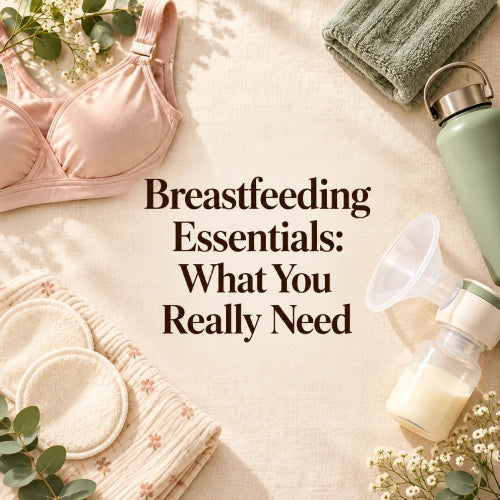
Skin-to-skin-friendly nursing sleepwear can support a woman from the last few weeks of pregnancy through postpartum recovery. This is because of its clip-and-wrap features which enable rapid skin-to-skin care and breastfeeding as well as make for easy examination by a midwife without having to strip off completely. That is why such garments should be in the hospital bag.
Breastfed infants nurse around 8 to 12 times in 24 hours during the newborn period, including nighttime feeds. No one likes messing around with small buttons when it is dark and an infant is crying! With a clip-down cup or a stretchy wrap neckline, you're feeding in a few seconds.
Then there's recovery. Your body's healing for weeks, and loose, soft bottoms leave room for maternity pads without squeezing anything that's sore. Breathable fabric helps with those postpartum sweats too.
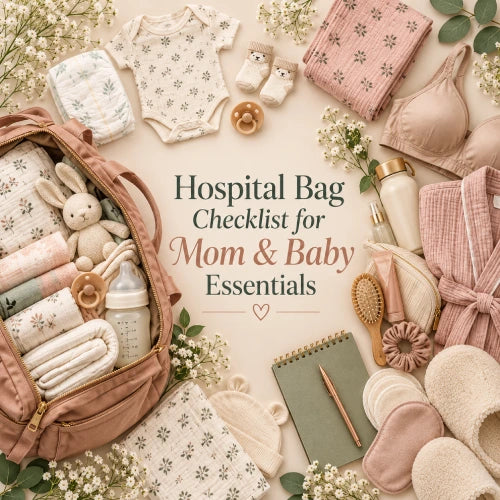
For the hospital bag, pack two sets by about 36 weeks. Ease of opening up facilitates skin-to-skin and check-up. Try darker colors and patterns since accidents happen, and there are better things to focus on.
How to Choose the Right Size for Maternity Sleepwear
Unless your clothing brand has specific instructions, for most brands, pregnancy sleepwear should be bought in the same size that the woman wears prior to getting pregnant. The extra space is incorporated through stretch panels, ruching, and adjustable waistbands, but shoulders, sleeves, and leg length will remain the same.
Short form: medium then, medium now. That’s how most sleepwear for maternity is made.
Watch out for terms such as "stretch panel," "ruched sides," or "fold-over waistband." A soft, wide elastic band can also provide support around the growing belly. If you are in-between sizes or pregnant with twins, compare the size chart to your bust size because that is what will determine the size.
And think past the birth when choosing postpartum outfits. Your tummy takes a while to settle, and your bust can go up a cup size or more once your milk comes in. A stretchy chest area will matter more than you'd think.
Maternity Sleepwear Buying Checklist
There are six aspects that the mother needs to think about before buying her maternity nightgown: the fabric, the elastic waist band, the accessibility of nursing opening, the season, the laundering of the gown, and finally, the extent of her like for it. Six aspects can easily be discussed within a minute.
Keep this open while you shop:
-
Fabric: soft and breathable, preferably OEKO-TEX certified
-
Size: regular, with some stretch around the bump area
-
Nursing convenience: single-handed access
-
Season: will late pregnancy or baby weeks occur during summer or winter?
-
Washable: machine-washable, with many washes in mind
-
Styling: pajama, gown, or combination
Final Thoughts
In addition to being comfortable, the best sleepwear for maternity is what you don't notice you are wearing. It will not solve every problem associated with sleepless nights, but comfort and room to move around and easy access when you want to feed your baby will remove some of the stress.
Since you are growing an entire person inside, be gentle to yourself and buy what you like rather than clothes that will do for now. If you need recommendations on where to buy your maternity clothing, Bump and Blossom have got everything.
FAQs
What is the best sleepwear for maternity?
Breastfeeding friendly, comfortable and stretchy maternity wear. Ideal maternity sleep wear is made out of breathable materials like modal, bamboo or cotton with elastic waist band and easily accessible clothing for nursing.
When should you start wearing maternity pajamas?
Whenever your clothes stop fitting. Some women switch to maternity pajamas late in the first trimester when bloating hits. Others hold out until the bump shows.
Should I buy my normal size in maternity sleepwear?
In general, yes. Wear your usual size in maternity sleepwear, as the stretchable panels deal with your baby bump.se still fits.
What fabric is best for pregnancy pajamas?
Bamboo, Modal or Organic Cotton. Bamboo should be considered the best fabric for sweating, Modal will always stay soft, and organic cotton is best for sensitive skin.
Are maternity pajamas useful after giving birth?
Absolutely, they are incredibly practical. They are a perfect match for your post-pregnancy figure, and those that have openings for breastfeeding make nighttime feedings a breeze.
What should I wear to sleep after having a baby?
Comfortable and loose clothing that opens from the front. Materials which are breathable help with sweating at night and also prevent any pressure on C section scars.
Are nursing pajamas worth buying?
Worth it if breastfeeding. They save a lot of fuss over hundreds of night feeds, and you can wear them in late pregnancy too.
Can maternity sleepwear be used during a hospital stay?
Yes, definitely. Front-opening styles make feeding, skin-to-skin and checks simple. Pack two sets by 36 weeks.